
Understanding the psychological triggers that drive gambling behavior in casinos
The Allure of Risk and Reward
The psychological appeal of gambling is deeply rooted in the human fascination with risk and reward. This allure can often overshadow rational decision-making, leading individuals to partake in behaviors they might otherwise avoid. The excitement of potentially winning large sums of money can create a powerful emotional response, one that some individuals find irresistible. When a player wagers their money, they engage in a thrilling gamble between the anxiety of loss and the exhilaration of victory. Interestingly, platforms like winningz-ca.com contribute to this excitement by offering diverse gaming experiences.

This dynamic is heightened by the unpredictability of outcomes. In casinos, players are often drawn to the mystery surrounding games like slot machines or roulette, where the outcome is uncertain. This uncertainty amplifies the emotional stakes involved in gambling, encouraging individuals to keep playing in hopes of that next big win. The anticipation of winning can create a cycle of behavior that reinforces gambling habits, even in the face of frequent losses.
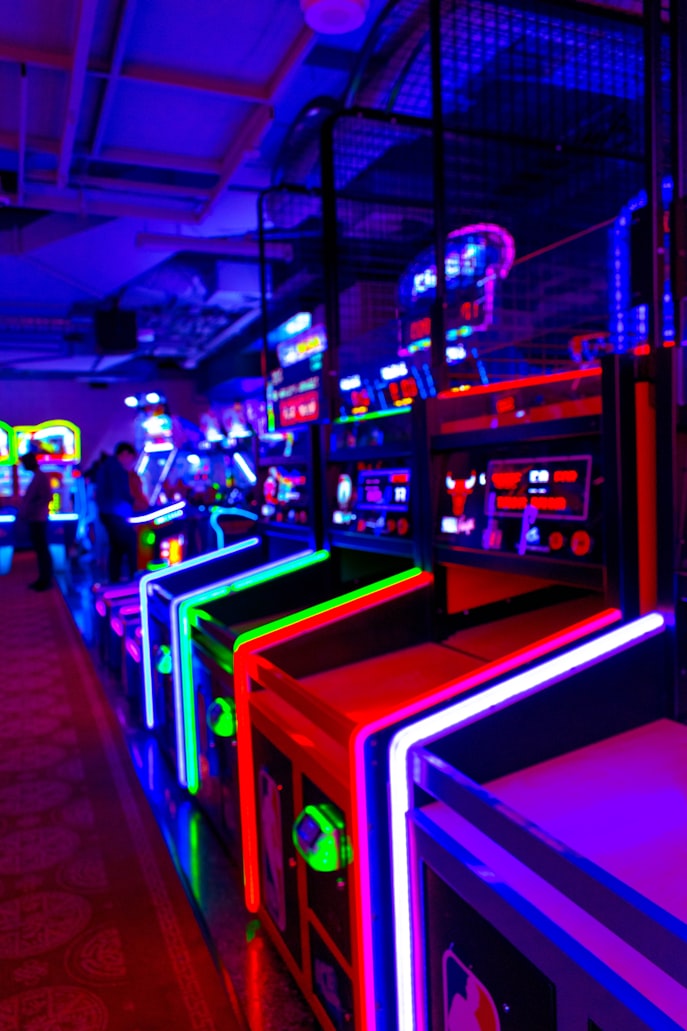
Moreover, the way casinos are designed fosters this sense of risk and reward. Bright lights, engaging sounds, and an overall stimulating atmosphere serve to keep players entertained and invested. This carefully crafted environment not only attracts gamblers but also keeps them engaged longer, as they become enveloped in the thrill of the experience. The result is a powerful psychological trigger that encourages repeated gambling behavior.
The Role of Variable Reinforcement
One of the core psychological mechanisms that drive gambling behavior is the principle of variable reinforcement. This concept suggests that rewards given at irregular intervals can lead to stronger behavioral patterns compared to fixed rewards. In the context of casinos, players often experience wins that are unpredictable and sporadic. This inconsistency can create a more profound sense of excitement, as players anticipate the next win while having no idea when it might occur.
This mechanism is particularly evident in the operation of slot machines. Players may win a small amount after a series of losses, which triggers a psychological response that can lead to prolonged play. The brain releases dopamine, a neurotransmitter associated with pleasure and reward, reinforcing the desire to continue gambling. As players chase these variable rewards, they can fall into a cycle of repeated gambling in hopes of recapturing that euphoric feeling.
The concept of variable reinforcement also explains why some players may continue to gamble despite losing significant amounts of money. The intermittent wins create a cognitive bias where players focus on their victories, no matter how small, while downplaying their losses. This pattern can lead to an overestimation of one’s chances of winning, fueling ongoing gambling behavior even when financial consequences are dire.
The Influence of Social Factors
Social dynamics play a significant role in gambling behavior, influencing individuals through peer pressure, social validation, and communal experiences. In casinos, the presence of others can heighten the excitement and social engagement, making the experience feel more communal and enjoyable. This social aspect can lead individuals to gamble more than they might otherwise do alone, as they seek to share in the thrill of the experience with friends or fellow gamblers.
The phenomenon of “social proof” also contributes to gambling behavior. When individuals observe others winning, they may feel compelled to join in, convinced that they too could experience a similar victory. This effect can be particularly powerful in a casino environment where the successes of others are prominently displayed, reinforcing the belief that winning is achievable. Such influences can lead to an escalation in gambling as individuals seek to emulate their peers.
Additionally, casinos often host events and competitions, further fostering a sense of community. These gatherings can create a festive atmosphere that makes gambling seem more like a social event rather than a solitary activity. As individuals engage with others, they may feel encouraged to take risks they wouldn’t normally consider, thereby enhancing their gambling behavior. This blend of social interaction and gambling creates a potent psychological trigger that compels individuals to participate more actively.
Cognitive Biases and Illusions of Control
Cognitive biases play a critical role in shaping gambling behavior, often leading individuals to make irrational decisions. One prevalent bias is the “illusion of control,” where gamblers believe they can influence outcomes despite the inherent randomness of the games they play. This belief can lead players to take unnecessary risks, as they become convinced that their choices impact their chances of winning. For example, a player may think that using specific strategies on a game of chance will yield better results, even when such strategies have no effect.
This cognitive distortion can be particularly detrimental, as it encourages players to continue gambling in hopes of achieving favorable outcomes that are not within their control. When players experience a win, it reinforces their belief in their abilities, making them more likely to gamble again. This feedback loop perpetuates gambling behavior, even as losses accumulate. Recognizing this cognitive bias is essential for understanding why some individuals struggle to break free from gambling patterns.
Furthermore, casinos often utilize marketing tactics that play into these cognitive biases. Promotions highlighting “hot” machines or lucky numbers further exacerbate players’ beliefs in their ability to control outcomes. By framing games in a way that emphasizes player agency, casinos encourage more prolonged engagement, knowing that these biases can lead to increased betting and extended gambling sessions.
Exploring Winningz Casino
Winningz Casino exemplifies the complex interplay of psychological triggers that drive gambling behavior. With its user-friendly interface and engaging gaming options, it captures the essence of what makes casinos enticing. The site offers a diverse array of games, ensuring that players find something appealing that resonates with their personal preferences. This diversity is crucial as it allows players to experience different forms of gambling, heightening their engagement.
Additionally, Winningz Casino creates an inviting atmosphere through exclusive bonuses and promotions. These incentives not only encourage new players to join but also keep existing players returning. The psychological principle of reward is at play here, as players are motivated by the prospect of gaining additional benefits, which feeds into their ongoing gambling habits. With enticing rewards on offer, the site plays into the thrill of risk and reward that captivates so many.
Ultimately, Winningz Casino serves as a microcosm of the broader gambling landscape. It embodies the psychological triggers, social dynamics, and cognitive biases that influence behavior in casinos. Understanding these elements can help players make more informed decisions about their gambling habits, creating a balance between enjoyment and responsible gaming. The casino environment can provide excitement and entertainment, but recognizing the underlying psychological factors is key to maintaining a healthy relationship with gambling.